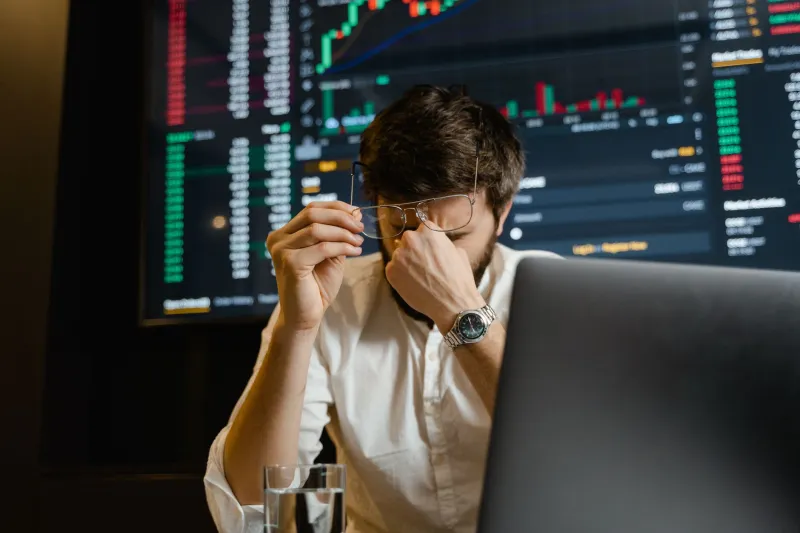
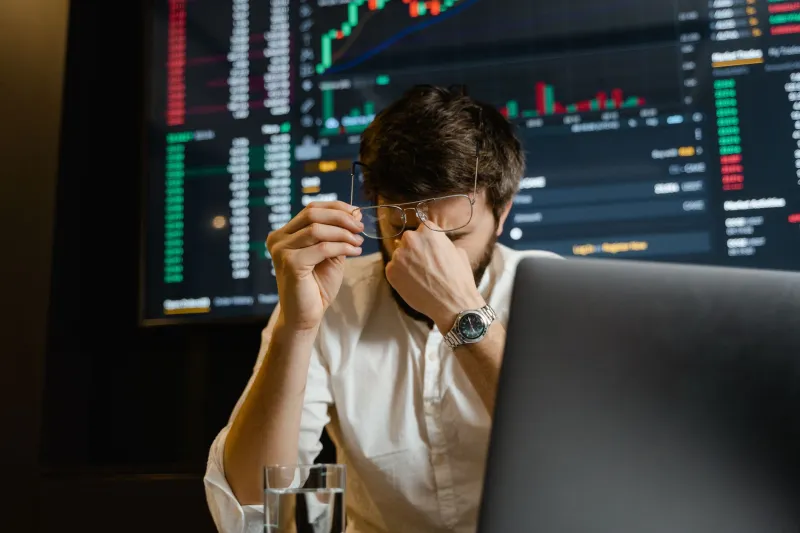
Designed to Drain You: How Crypto Platform UX Turns Your Brain Against Your Bankroll
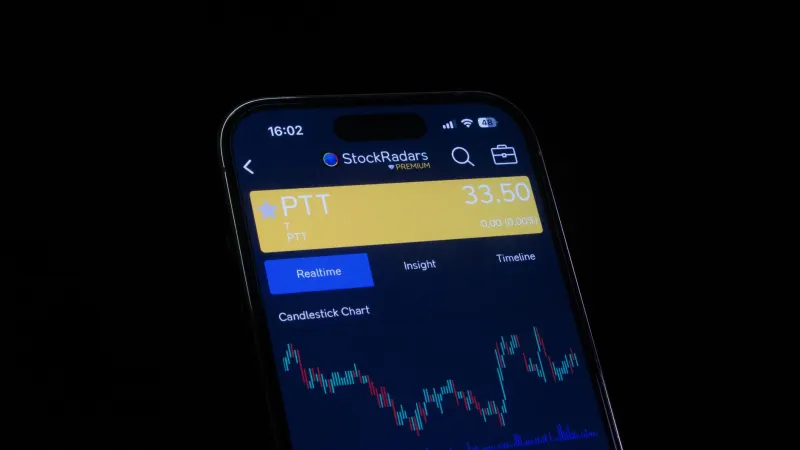
Let's be honest — the last time you opened your exchange app at 2 a.m. to "just check prices," you probably ended up making a trade you hadn't planned. That wasn't an accident. It was the point.
Crypto trading platforms — and yes, that includes crypto betting interfaces — are not neutral tools. They're environments meticulously crafted by product teams, behavioral economists, and UX designers whose entire job is to maximize engagement. And in trading, "engagement" almost always means more transactions. More transactions mean more fees. More fees mean less money in your pocket.
At 1XiBet Crypto, we think you deserve to know exactly how the game is rigged so you can play it smarter.
The Slot Machine Sitting in Your Pocket
Neuroscientists who study gambling addiction and social media compulsion have identified a core mechanism: variable reward schedules. When outcomes are unpredictable — sometimes you win, sometimes you lose, sometimes nothing happens — your brain releases dopamine not when you win, but when you anticipate the outcome. It's the pull of the lever, not the jackpot, that hooks you.
Crypto price charts are a perfect variable reward machine. Prices move constantly, unpredictably, and the potential for a sudden green candle is always there. Platform designers know this. That's why most exchanges default to showing you real-time price changes, often highlighted in aggressive red and green — colors your brain is hardwired to treat as urgent signals. Some platforms even add subtle animations to price movements, making the screen feel alive and demanding your attention.
A 2023 study published in the Journal of Behavioral Addictions found that the visual design of financial trading apps shares significant structural overlap with slot machine interfaces — including rapid feedback loops, visual reinforcement of wins, and minimized friction for placing new bets. The researchers weren't talking about crypto specifically, but they might as well have been.
Dark Patterns You've Definitely Fallen For
Here are some of the most common manipulation tactics baked into major crypto platforms — and a few betting interfaces — that are almost certainly affecting your decision-making right now:
The One-Tap Leverage Trap. Many futures platforms let you increase your leverage with a single slider swipe. There's no confirmation screen, no friction, no "are you sure you want to risk 20x your position?" That's deliberate. Friction reduces impulsive action. Removing friction increases it — and increases the platform's liquidation fee revenue when you blow up.
Fear-of-Missing-Out Feeds. Real-time feeds showing what other users are buying, what coins are trending, and which positions just made huge gains are engineered FOMO machines. Seeing "847 people just bought ETH" creates social proof pressure that bypasses your analytical brain entirely.
Artificially Compressed Timeframes. Countdown timers on promotional offers, "limited time" bonus structures, and expiring deposit matches all exploit your brain's loss aversion. The fear of missing a bonus feels more urgent than the rational calculation of whether the trade itself makes sense.
The Tiny Withdrawal Friction. Notice how depositing funds is usually two taps, but withdrawing requires email confirmations, ID re-verification, and sometimes a 24-hour wait? That asymmetry isn't a security feature — it's a retention mechanism. Money that's harder to leave tends to stay and get traded.
Green-Washing Your P&L. Some platforms default to showing your portfolio performance in percentage terms during bull runs and switching emphasis to dollar terms during drawdowns — or vice versa — depending on which framing keeps you engaged rather than alarmed.
What's Happening Inside Your Head
The neuroscience here is pretty clear. When you're in an active trading session, your prefrontal cortex — the part of your brain responsible for rational decision-making and impulse control — takes a back seat to your limbic system, which is running on emotion and pattern recognition. Platforms that create urgency, social pressure, and rapid visual stimulation are essentially keeping you in a state where your analytical capacity is suppressed.
Dr. Alain Cohn at the University of Michigan has studied how financial environments affect moral and rational decision-making. His research suggests that the framing and aesthetics of financial tools significantly influence risk tolerance. In plain English: a platform designed to feel exciting makes you take more risks than you otherwise would.
Crypto betting platforms add another layer. When trading and wagering exist on the same interface — same visual language, same reward feedback — the psychological boundary between "investing" and "gambling" dissolves. That's not necessarily bad, but you need to know that's what's happening so you can consciously choose your posture.
How to Fight Back Without Leaving the Game
You don't have to delete your apps and go full cold-wallet hermit. But there are practical moves that put you back in the driver's seat:
Trade on a timer, not a feeling. Set specific windows for active trading — say, 30 minutes in the morning after you've reviewed your watchlist — and close the app outside those windows. Removing constant access breaks the variable reward loop.
Kill the notifications. Price alerts you set intentionally are fine. Push notifications from the platform about "trending coins" or "big movers" are dopamine bait. Turn them off.
Use a separate device or browser profile for trading. This creates physical and psychological friction between impulse and action. That extra step is often enough to let your prefrontal cortex catch up.
Screenshot your reasoning before every trade. Before you execute, write down — or literally screenshot a note — explaining why you're making this trade, what your target is, and what your exit plan looks like. This activates your analytical brain and creates accountability.
Audit your platform's defaults. Change your default chart view, turn off social feeds if possible, and set leverage limits at the account level if the platform allows it. Most do. Most users never bother.
The Bottom Line
The best traders on any platform — spot markets, futures, or crypto betting — aren't the ones with the fastest reflexes. They're the ones who've learned to recognize when the environment is playing them and have systems in place to override it. The platform's job is to keep you engaged. Your job is to stay profitable.
At 1XiBet Crypto, we believe trading smart means understanding every edge in the game — including the edges being used against you. Now you know where to look.